Fifteen years in the rooms you're trying to enter. Here's what I learned.
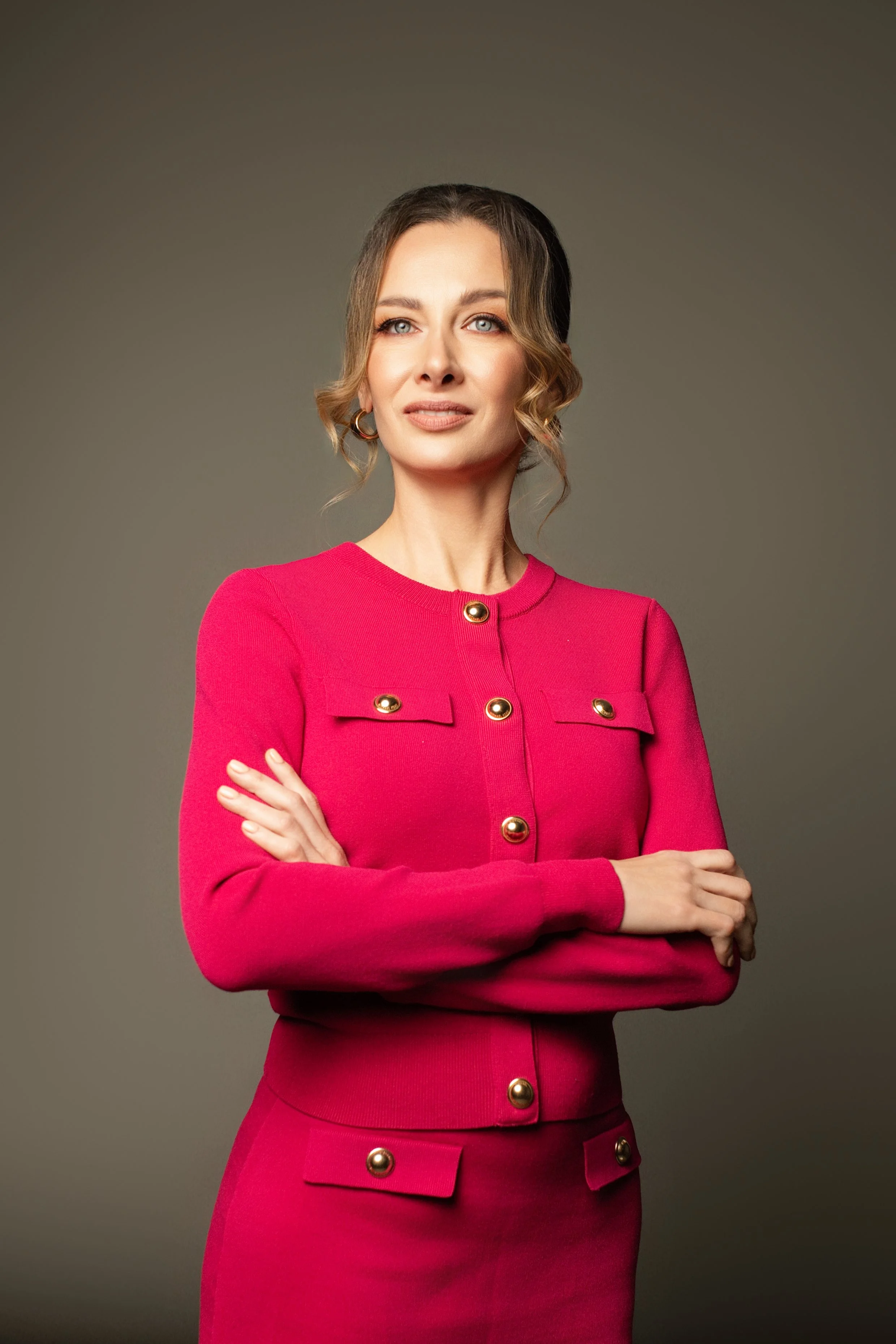
Most of what determines who advances and who doesn't never appears in a job description, a performance review, or a leadership training. I spent fifteen years inside some of the world's most demanding organizations learning what does. This is that story.
My Journey
It started in Poland.
The story starts earlier than most people expect — not in a boardroom, but in post-Soviet Poland.
-
My father built bridges — the literal kind, in steel and concrete, that connected places that used to be cut off. Growing up in Poland in the years when the world was cracking open, I watched him solve problems that didn't yet have textbooks. My mother ran her own business and taught me that if you were going to do something, you would do it well or not at all. Between them, I learned two things early: excellence is not optional, and the most important bridges are the ones that connect who you are to who you want to become. At twelve, England was my first lesson in navigating a world that wasn't built for me.
-
By twenty-four I was working in finance in Poland. At twenty-eight I moved to Singapore. I led marketing at LinkedIn across APAC, then at Google Cloud across EMEA, and spent four years as a Director at Criteo — running global demand generation and analytics with a team of fifteen. Forty percent of my Criteo team got promoted under my leadership. I held a hundred percent manager satisfaction score. The numbers I'm most proud of are about people.
-
The tactical work came easily. The hard part was everything the frameworks left out: the politics, the double binds, the cost of staying intact while you rise. That's the work I do now. High-performers who deliver but get overlooked, who refuse to play dirty but watch others get rewarded for it, who carry the weight of cultures that demand excellence but punish honesty. I say the hard thing once. Then we build.
-
I formalized what I'd already been doing in practice. Not because a certificate changes what happens in a conversation — but because anyone navigating high-stakes decisions deserves a practitioner who has been held to a standard, not just a person with relevant opinions. The training confirmed what experience had already built.

My Beliefs
What I stand for—and what I won't compromise on
-
Seniority comes with increasing pressure to adapt and soften. The goal is to advance without losing what makes the advancement worth anything.
-
Most people at senior level receive managed feedback, not honest feedback. The commitment here is to say what is true, clearly and without softening.
-
Sustainable success is built over years, not quarters. The decisions that protect your wellbeing and direction matter more than the ones that win the moment.
-
The norms that govern senior careers weren't built for everyone. Questioning which rules are worth following and which ones simply haven't been challenged yet.
Signature Concepts
The patterns that shape every senior career
After fifteen years inside global organizations, I kept seeing the same dynamics play out — regardless of industry, country, or company size. These are the six patterns that consistently separate the women who advance from the women who don't.
Career
Sovereignty
The goal is not simply the next promotion. For many senior women, the more pressing question is whether the career they've built still belongs to them, or whether it belongs to the organization's expectations of who they should be. Career sovereignty is the ability to make deliberate choices about direction, role, and how to lead — from a clear sense of what matters, not from what's expected.
The Obedience
Trap
High-performing women are rewarded for excellence in execution and reliability, then quietly passed over for the roles that require something different: judgment, visibility, and the willingness to push back. The mechanism that created the success is the same one that limits what comes next.
Political
Intelligence
Influence inside organizations rarely follows the org chart. Decisions get made before the meeting, in conversations that never appear in the minutes. Political intelligence is the ability to read how power actually moves — who shapes decisions before they're announced, where alliances form, and where energy is wasted on the wrong rooms. It's not about playing the game. It's about seeing it clearly enough to make deliberate choices about how to engage.
Strategic
Visibility
Delivering results is not the same as being known for them. At senior levels, the gap between contribution and recognition is not closed by working harder — it's closed deliberately. Strategic visibility is the practice of ensuring the people responsible for advancement, influence, and decisions have an accurate picture of what you bring.
The experience, through their eyes of leaders around the world.
“I didn't expect coaching to change the way I think. Joanna has a rare ability to ask exactly the right questions at exactly the right moment — creating space for reflection that actually moves things forward. Her approach is unlike anything I'd experienced: a genuine blend of coaching and mentoring that doesn't just leave you feeling heard, but leaves you with clarity and tangible steps you can act on. Incredibly resourceful, deeply empathetic, and with a precision that is hard to find. The investment goes far beyond what you expect. My highest recommendations.”
Dr. Agnieszka Maliszewska – Medical Affairs Lead
Roche
Credentials